Shared Learning Groups

Join The Link Center for these quarterly virtual opportunities to learn and share about important topics.


There are four sessions on the same topic for different target audiences. Please register for the session most relevant to you, or whichever best fits into your schedule. 


Live captioning and ASL interpretation will be provided during all live webinars.

You can find recordings from all previous Shared Learning Group sessions below.

You man holding pencil, wearing headphones, looking at laptop

Register for the next Shared Learning Group sessions:

Topic: Communication in Clinical Settings

Getting care in places like a doctor’s office, a therapist’s office, or a hospital, should make everyone feel heard, respected, and supported. In this session, we will look at real examples from clinical settings and talk about how supporters and Assistive Technology (AT) can make a big difference. We will also review important rights and policies, and share simple tools and resources to help you, and the people you support, feel more confident and prepared when working with medical providers.

April 28, 2026

Direct Support Professionals: 1:00-2:30p EST

Clinical Professionals: 3:00-4:30p EST

April 29, 2026

Families of people with lived experience: 1:00- 2:30p EST

People with lived experience: 3:00-4:30p EST

Young man in wheelchair using a laptop at a desk
Small child with grandparents looking at laptop

Every three months, The Link Center hosts virtual shared learning groups for direct support professionals, clinical professionals, family members, and people with lived experience. These groups provide opportunities to dive into important topics and tap into your expertise and experiences related to people with cognitive disabilities, including intellectual and developmental disabilities (I/DD) and brain injuries, and mental health conditions. These meetings are led by members of our steering committee and project partners.

Shared Learning Groups

You can find recordings from all previous Shared Learning Group sessions below.

January 2026

Being healthy and feeling well is about more than just the absence of illness. It’s about finding balance, strength, and joy in daily life — even when living with medical conditions or disabilities. In this session, groups explored the eight dimensions of wellness and learned how each one contributes to a fuller, healthier life. Groups also shared practical tips and strategies to help people with co-occurring conditions live their best life.

October 2025

Our relationships shape who we become. The people we connect with – friends, family, and supporters – play a big role in how we see ourselves and how we grow. This is true for all children, including those with intellectual and developmental disabilities (I/DD), brain injuries, and other cognitive disabilities with co-occurring mental health conditions. Positive relationships are the building blocks of a healthy future, influencing self-worth, safety, health, and well-being. These sessions explored how supportive relationships help children build a strong foundation for adulthood.

July 2025

People with intellectual and developmental disabilities (I/DD), brain injuries, and other disabilities, and co-occurring mental health conditions need support for their whole well-being. These sessions explored how each of us has a part to play in changing the way these support systems work. The sessions focused on how we can partner with others to influence these systems as a community of people with lived experience, families, professionals, systems advocates, etc.

April 2025

We all have ups and downs in life, and how we handle those feelings is called emotion regulation. It’s about being able to control our emotions on purpose. People with intellectual and developmental disabilities (I/DD), brain injuries, and other disabilities and co-occurring mental health conditions and the people who support them may benefit from being aware of and learning ways to maintain their wellness during challenging or confusing times. These sessions focused on those ways to be more aware and also presented strategies and tools to help people manage their emotions.

January 2025

People with intellectual and developmental disabilities (I/DD), brain injuries, and other disabilities and co-occurring mental health conditions often come into contact with the justice system in various ways. These sessions focused on ways to prevent involvement with the justice system. Groups discussed various touch points in the justice system where support can be offered, ensuring individuals get the resources and understanding they need. Additionally, the sessions covered how to help them successfully reintegrate into society by connecting them with community resources and support networks.

October 2024

People with mental health disabilities and I/DD, brain injuries, or other cognitive differences are often punished for engaging in what many people call “risky behaviors” like self-injury, perceived aggression, and inappropriate conduct. When punished for these things rather than understood and supported, it is more likely they will continue to do things that hurt themselves or others.  These sessions discussed ways people can support those with lived experience to reduce harm while allowing everyone to keep their autonomy.

August 2024

People with co-occurring conditions require person-centered, whole person care that requires physical, behavioral, emotional, mental health, and social supports, services, and resources that aim to improve well-being and outcomes. These sessions explored personal experiences, models, strategies, practices, and resources that embrace a whole person approach to support.

April 2024

Unfortunately, people with co-occurring conditions may experience extended stays in acute settings like emergency departments or psychiatric hospitals but may no longer require this level care. This leads to adverse outcomes and treatment delays. These sessions explored practices, strategies, and resources that support integrated, seamless transitions from acute settings to community settings.

January 2024

People with disabilities are more likely than people without to experience adverse events such as abuse, neglect, and medical trauma. These sessions discussed SAMHSA’s six principles of a trauma-informed approach focusing on tools and examples for applying them into supporting people with co-occurring conditions.

October 2023

For people with co-occurring conditions, it is critical to have options to get necessary support and care at every stage of crisis. In order to do this, we need trained people supporting someone during times of crisis. These sessions explored the importance of crisis support and planning for people with I/DD and mental health conditions, sharing resources related to supporting someone in crisis.

Explore other Link Center Activities

Resource Library

The Link Center Special Projects

988 Policy Academy

In 2025, ACL and SAMHSA funded a 6-state Policy Academy to create more responsive 988 crisis response systems for individuals with I/DD, brain injury, and other disabilities. State’s cross-agency teams collaborated to better understand ways to enhance accessibility statewide while The Link Center partners continue to develop general resources to guide all states in creating more responsive 988 systems.
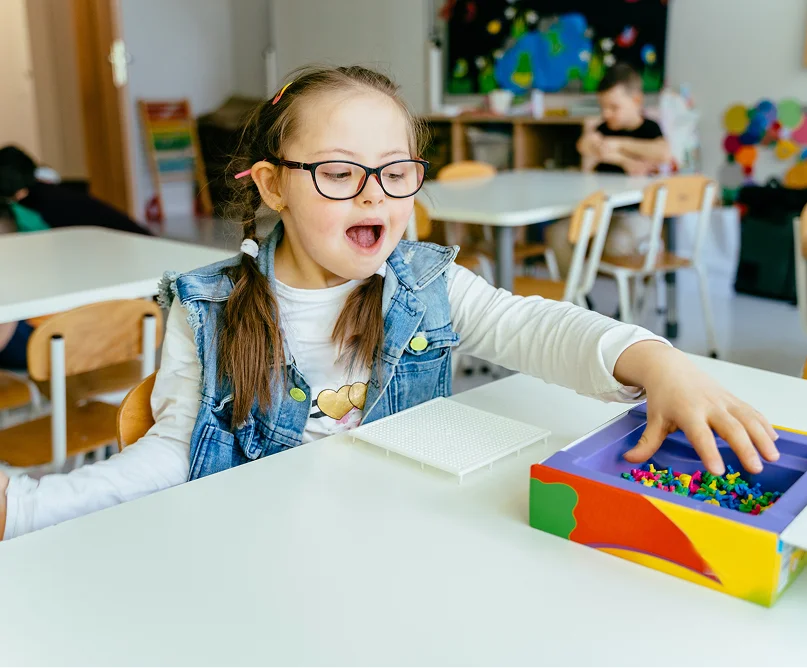
Raising Children with Complex Neurodevelopmental Needs

In 2025, ACL and SAMHSA funded a project employing a multi-faceted research methodology analyzing data and information to (1) explore and define the needs of children identified as complex (2) identify the type of services and supports that are effective for children with complex needs, and 3) describe a multi-system, collaborative approach to delivering and funding services.

Want to learn more or get in touch?