
Helping to Heal: Conversations About Trauma Informed Principles
People with intellectual and/or developmental disabilities experience high risk of exposure to traumatic events including abuse, neglect, and victimization (Houck, et al., 2022). Similarly, brain injury is seen as a risk factor for developing post-traumatic stress disorder often expressed through overlapping symptoms (Howlett & Stein, 2016). The Substance Abuse and Mental Health Services Administration (SAMHSA) published a seminal guidance to trauma-informed approaches in 2014: SAMHSA’s Concept of Trauma and Guidance for a Trauma-Informed Approach.
This guidance articulated key principles of a Trauma Informed Approach:
- Safety
- Trustworthiness and Transparency
- Peer Support
- Collaboration and Mutuality
- Empowerment, Voice, and Choice
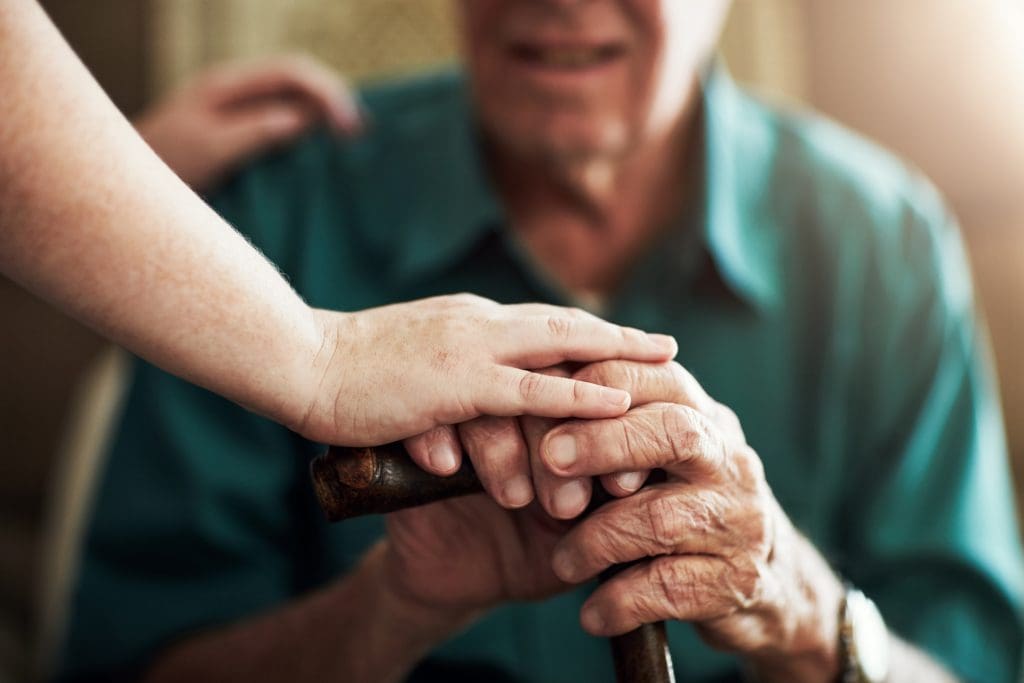
These principles provide a sound framework for strategies that are most supportive to people who have experienced trauma. This toolkit of videos, infographics, audio files, and transcripts representing these principles provides simple tips and strategies from people with lived experience that can help you better support your family members, friends, clients, or patients.
Helping To Heal Toolkit
Each of the key principles has a video, a one page at-a-glance infographic, an audio file, and a full transcript. Please experience and share the toolkit in ways that work for you and others.
You can also view this entire video playlist directly on YouTube at this LINK.
Introduction
This video provides a brief overview of the importance of supporters having the tools to support people who have experienced trauma
Can’t watch the video right now?
1. Safety
Feeling safe, both in our bodies and minds, is really important. Nicole shares what has helped her feel safe and gives you practical ideas on how you can help others feel safe too.
Can’t watch the video right now?
2. Transparency and Trustworthiness
Trust is so important when supporting people who have been through trauma. Tyrome shares his own experiences and his thoughts on how to build trust and keep it strong. You hear directly from him about what matters.
Can’t watch the video right now?
Monica Wafford: Monica Wafford was certified to practice Peer Support with the Detroit Wayne County Mental Health Authority where she worked alongside interdisciplinary teams for various Tri-county area mental health authorities, as an intake specialist and Recovery Coach specializing in crisis care for individuals struggling with mental illness and trauma. She gained permission through the Social Security Administration (SOAR) to assist homeless individuals with claims and was successful in completing dozens of applications while working as shelter Navigator. She is an active committee member with National Healthcare for the Homeless. Post retirement Monica moved to Alaska where she was employed by Tlingit Haida Central Council as a Community Advocate working with victims of violent crime under the umbrella of the tribes Healing Center where she gained working knowledge of using spirituality and natural therapeutic techniques for recovery. Before leaving Alaska for medical reasons, she served as SE (area) Coordinator for Alaska Vocational Services for Seniors (SESEP)
Karyn Harvey, PhD, Psychologist: Dr. Harvey has worked as a clinician in the field of intellectual disabilities for over 35 years. She has her Ph.D. in Applied Developmental Psychology from the University of Maryland. She has written three books: Positive Identity Development, Trauma –Informed Behavioral Interventions and Trauma and Healing, as well as several chapters in various publications and a variety of articles. She currently has a private practice and does therapy with people with intellectual disabilities. In addition, she regularly conducts trainings on trauma-informed support for people with IDD, trauma-informed leadership, and trauma-informed behavioral interventions for both state and individual organizations throughout the US and Canada. She has trained numerous trainers throughout the United States and Canada in conducting trauma informed supports training. In the last several years she has received awards for her clinical service from NADD, START and AAIDD.
Charryse N. Wright, MDiv, BSW: Charryse is a faith-based social worker, leader, veteran, educator, author, and trauma consultant. She tirelessly supports others on their healing journeys. Charryse has traveled globally, assisting the military, social services, psychiatric and medical hospitals, as well as faith-based and educational organizations in transforming into trauma-informed and responsive communities. She is passionate about the intersection of trauma and Christianity, helping others understand how trauma disrupts the connections between our mind, body, and spirit. However, healing is possible through intentional, holistic, empathetic, and compassionate connections. Charryse’s literary contributions demonstrate her profound understanding of life’s challenges. Her journal, Finding God’s Truth Within, is a powerful narrative that illuminates God’s promises during difficult times. As a contributing author of Pieces of a Woman Volume 2, she lends her voice to a collection of stories that celebrate womanhood, each a testament to women’s resilience and strength. Charryse is the CEO and founder of Just Wright Community Solutions, an organization that, through trauma-responsive efforts and resources, reminds us that we are all Just Wright for healing, joy, peace, and love.
Nicole Villamaire: Nicole lives in Vermont. She is a self advocate and part of a local self advocacy group, Green Mountain Self Advocates (GMSA). Nicole is involved with their community. She works as a peer specialist, works at Marshalls, and is an assistant for a class at the University of Vermont (UVM) called Disabilities Studies. Nicole has completed a 9 credit certificate at UVM. She is a disability advocate for herself and others and goes to a GMSA conference every year. Nicole struggles with behavioral challenges and trauma and is an autism person with a caring heart. She is proud to be able to do the video – enjoy!
Tyrome Launderville: Tyrome Launderville lives in Iowa and is a dedicated, adventurous individual who enjoys cooking and revisiting his childhood dreams. He values close relationships deeply appreciating his work advocating for kids and teens with developmental and mental disabilities while also embracing both personal and professional growth.
3. Peer Support
When people with similar experiences support each other, it can create a strong sense of safety and hope. Mychal shares her own experiences and explains why having peer support can be incredibly important for someone who has experienced trauma.
Can’t watch the video right now?
Mychal Cook: As a brain injury survivor, person with a learning disability, and individual in recovery from substance use disorder, Mychal have overcome significant challenges. Mychal is actively involved in the recovery community, facilitating support groups and pursuing a Psychology degree with a minor in Addiction Studies at Dickinson State University.
4. Collaboration and Mutuality
To help someone heal from trauma, it’s important to have relationships where everyone feels heard and respected. Perri talks about his experiences and shares how showing respect and making decisions together can really help someone grow.
Can’t watch the video right now?
Perri Spencer: Perri is a mentally ill autistic self-advocate. He is a member of the link center steering committee and advocates for AAC and non-speech communication. His experience with unsupportive caretakers means collaboration and mutuality is very important to him. He believes everyone should be in charge of their own life and supporters should work with the person and do whatever they can to make those things happen.
5. Empowerment, Voice, and Choice
Being able to speak up and make choices is key to healing and moving forward. Cindy shares her experiences and ideas on how supporters can help someone advocate for what’s important to them.
Can’t watch the video right now?
Cindy Bentley: Cynthia “Cindy” Bentley is the executive director of People First Wisconsin and a fearless advocate for people with disabilities. She is a survivor who endured institutionalization at Southern Wisconsin Center to go on to become a leader in Wisconsin. Cindy leads other self-advocates across the state of Wisconsin in making our communities more accessible. She is passionate about voting rights, long-term care, housing, community inclusion, mental health, employment, sexual violence prevention, and accessible transportation.
Cindy serves on several boards and works closely with other agencies/organizations that work for equal opportunities for people with disabilities. These include: The Governor’s Committee for People with Disabilities Member and co-chair of its Opportunities and access Sub-Committee, Milwaukee County’s Combined Community Services Board (CCSB) Board Member, Life Navigators Board Member, Wisconsin Board for People with Developmental Disabilities (BPDD)-partner agent, The Survival Coalition of Disability Organizations, The Wisconsin Disability Vote Coalition Partner, Shirley Ryan Abilities Lab-Home and Community Participant Council Member and on the IDD-MH System Improvement Initiative: Community of Practice Steering Committee. Cindy is a decorated Special Olympics athlete who has served on the Wisconsin Special Olympics Board and traveled the world as a Global Messenger.
Cindy has spoken at the local, state, and national levels on the following topics: sexual violence prevention, self-direction, plain language, employment, and Home and Community-Based Services. She has also worked to stop seclusion and restraint and to close institutions. She has testified to Congress on guardianship and supported decision-making.
Cindy is a co-author of a biography about her life called, Cindy Bentley: Spirit of a Champion. She is currently working on another book about her life.
In Decemeber of 2021, Cindy was named as one of Wisconsin’s most influential black leaders.
June 1, 2024 marked 40 years of Cindy living in the community. Cindy shares her story in the video,“Choose the Pond.” In recognition of this important milestone, Governor Tony Evers sent a letter and a video message, State Reprsentative Darrin Madison presented a proclamation in her honor by the Wisconsin State Assembly at her anniversary celebration, and the City of Milwaukee also honored her with a Cindy Bentley Day proclamation. More information and links can be found on the People First Wisconsin website: here.
Learn more about Cindy by following these links:
01/23/2023 Article in UpNorthNews, 20 Black Men & Women Who Shaped Wisconsin History”
Self-Determination YouTube Channel, In the Spotlight | Black History Month | A conversation with Cindy Bentley | WBPDD
Article on the Special Olympics website: “Leading from the Heart Meet Cindy”
Video from Special Olympics Wisconsin: Cindy Bentley: A Special Olympics Story
5/2/2018 Article in the Milwaukee Journal Sentinel, Better Angels: One of Milwaukee’s most decorated athletes is still on the field